What if your home could look beautiful and help save the planet at the same time?
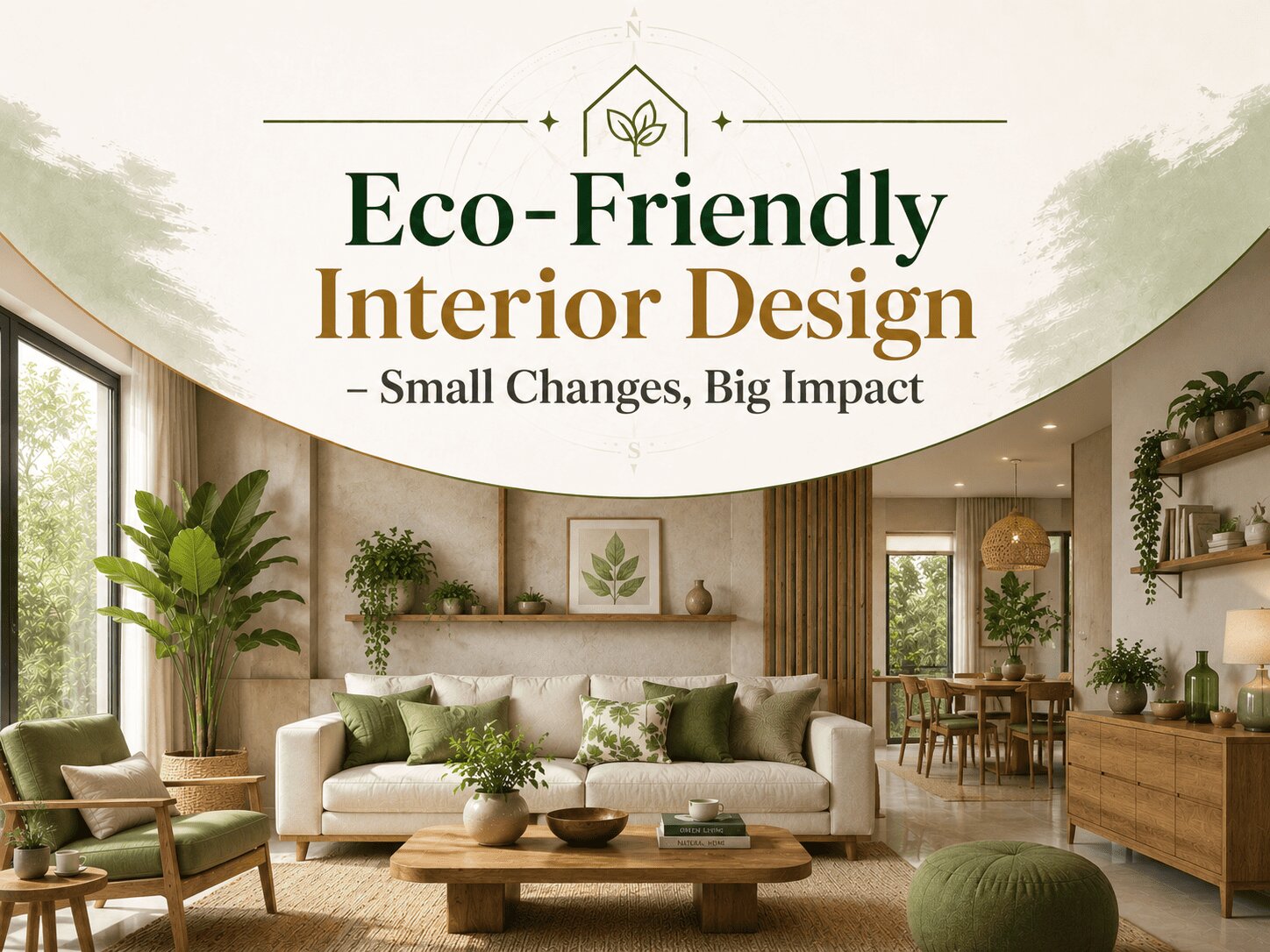
Eco-friendly interior design is no longer just a trend followed by environmentalists or luxury homeowners. It has become a practical, accessible, and deeply rewarding approach to designing your living space. With rising awareness about climate change, increasing pollution, and the growing cost of energy, more and more Indian homeowners are choosing to design their homes with sustainability in mind.
The best part? You do not need to spend a fortune or redesign your entire home to make a difference. Small, thoughtful changes — in the materials you choose, the way you light your home, the furniture you buy, and the habits you build — can collectively create a massive positive impact on both your home environment and the planet.
This guide covers everything you need to know about eco-friendly interior design — from simple swaps you can make today to bigger choices that will benefit you for years to come.
1. What Is Eco-Friendly Interior Design?
Eco-friendly interior design, also known as sustainable or green interior design, is the practice of creating living spaces that are beautiful, functional, and environmentally responsible.
It focuses on:
-
Using natural, recycled, or sustainably sourced materials
-
Reducing energy and water consumption
-
Improving indoor air quality
-
Minimising waste during design and renovation
-
Creating spaces that are healthy for people and kind to the planet
Eco-friendly design is not about compromising on style or comfort. In fact, many of the most stunning interiors in the world today are built on sustainable principles. Natural textures, organic materials, and earthy colour palettes are not just good for the environment — they are also timeless, warm, and deeply beautiful.
2. Start With Sustainable Materials
The materials you choose for your home are the foundation of eco-friendly interior design. Every surface, every piece of furniture, and every fixture has a story — and choosing materials with a lower environmental footprint is one of the most impactful decisions you can make.
Wood — Choose Wisely
Wood is a natural, renewable material and a staple of interior design. However, not all wood is created equal. Mass deforestation has made unsustainable wood sourcing a serious environmental problem.
What to do:
-
Choose wood that is certified by the Forest Stewardship Council (FSC) — this certifies that the wood comes from responsibly managed forests.
-
Opt for reclaimed or recycled wood — old timber from demolished buildings, railway sleepers, or old furniture can be beautifully repurposed into flooring, shelves, or furniture.
-
Consider bamboo as an alternative to wood. Bamboo is one of the fastest-growing plants on earth, making it one of the most sustainable building and decor materials available. It is strong, durable, and naturally beautiful.
Recycled and Upcycled Materials
Using recycled or upcycled materials reduces the demand for new production and keeps waste out of landfills.
Ideas to try:
-
Recycled glass tiles for kitchen backsplashes or bathroom walls
-
Upcycled metal or industrial pipes as shelving or furniture legs
-
Old wooden crates repurposed as bookshelves or storage units
-
Vintage or second-hand furniture restored and given a new life
Natural Fibres for Textiles
Synthetic fabrics like polyester and nylon are made from petroleum and release microplastics into the environment. Replace them with natural alternatives.
Sustainable textile choices:
-
Cotton (preferably organic) for bed linen, curtains, and upholstery
-
Jute for rugs, baskets, and wall hangings — a highly sustainable crop grown widely in India
-
Linen for curtains and cushion covers — durable, breathable, and biodegradable
-
Wool for rugs and throws — natural, long-lasting, and biodegradable
India has a rich tradition of natural handloom textiles — khadi, ikat, block-printed cotton, and handwoven jute — that are not only sustainable but also extraordinarily beautiful and culturally meaningful.
3. Switch to Energy-Efficient Lighting
Lighting accounts for a significant portion of a home's energy consumption. Making the right lighting choices is one of the easiest and most cost-effective eco-friendly changes you can make.
LED Lighting
If you have not already switched to LED bulbs, this is the single most impactful lighting change you can make today.
-
LED bulbs use up to 75% less energy than traditional incandescent bulbs.
-
They last 15–25 times longer, reducing the waste of frequent replacements.
-
They are available in warm, cool, and daylight tones to suit every room.
-
The initial cost is slightly higher but the long-term savings on electricity bills are significant.
Maximise Natural Light
The most eco-friendly light source is the one that costs nothing — sunlight.
How to maximise natural light:
-
Use sheer curtains instead of heavy drapes to allow light to flow freely.
-
Place mirrors strategically to reflect natural light deeper into a room.
-
Choose light, reflective wall colours that bounce light around the room.
-
Keep windows clean and unobstructed.
-
Consider skylights or solar tubes during renovation to bring light into darker areas of the home.
Smart Lighting Controls
-
Install motion sensors in less-used areas like corridors, bathrooms, and storage rooms so lights automatically turn off when not needed.
-
Use dimmers to reduce energy consumption and create ambiance at the same time.
-
Invest in smart home lighting systems that allow you to control and schedule lighting from your phone.
4. Choose Low-VOC Paints
Most conventional paints contain Volatile Organic Compounds (VOCs) — chemicals that are released into the air as the paint dries and for months after. VOCs contribute to indoor air pollution and can cause headaches, respiratory issues, and long-term health problems.
What to do:
-
Choose low-VOC or zero-VOC paints for all interior surfaces. These are now widely available from most major paint brands in India including Asian Paints, Berger, and Dulux.
-
Consider natural paints made from plant-based or mineral pigments — these are completely non-toxic and biodegradable.
-
Ensure good ventilation when painting and for several days after.
Low-VOC paints are available in the same wide range of colours as conventional paints — so you do not have to compromise on your colour palette to make this healthy, eco-friendly choice.
5. Invest in Energy-Efficient Appliances and Fixtures
Your home's appliances and plumbing fixtures have a major impact on energy and water consumption. Upgrading to efficient alternatives is a smart long-term investment.
Energy Star Appliances
When purchasing or replacing appliances — refrigerators, washing machines, air conditioners, water heaters — look for the Bureau of Energy Efficiency (BEE) star rating in India. The higher the star rating, the more energy-efficient the appliance.
-
A 5-star rated air conditioner can use up to 40% less electricity than a 1-star model.
-
A 5-star refrigerator runs 24 hours a day — choosing an efficient model makes a significant yearly difference in your electricity bill.
Water-Saving Fixtures
Water conservation is especially important in India, where water scarcity is a growing concern in many cities.
Simple upgrades:
-
Install low-flow taps and showerheads — they reduce water usage by up to 50% without affecting water pressure.
-
Choose dual-flush toilets that allow you to use less water for liquid waste.
-
Fix leaking taps immediately — a single dripping tap can waste thousands of litres of water per year.
-
Install a rainwater harvesting system if possible — this can significantly reduce dependence on municipal water supply.
6. Bring in Indoor Plants
Indoor plants are perhaps the most beautiful and natural way to improve your home environment. They purify the air, reduce stress, boost creativity, and add life and colour to any space.
Best air-purifying plants for Indian homes:
-
Areca Palm — excellent air purifier, thrives indoors
-
Snake Plant (Sansevieria) — releases oxygen at night, very low maintenance
-
Peace Lily — removes common indoor pollutants, elegant and compact
-
Money Plant — easy to grow, effective air purifier
-
Spider Plant — removes formaldehyde and carbon monoxide
-
Aloe Vera — purifies air and has multiple practical uses
Design tip: Group plants of different heights and textures together to create a lush, layered green corner — often called a plant shelfie or indoor garden wall. This is one of the most popular and stunning eco-friendly interior trends right now.
7. Reduce, Reuse, and Upcycle Your Furniture
The furniture industry is one of the most resource-intensive industries in the world. Fast furniture — cheap, mass-produced pieces designed to be replaced frequently — generates enormous amounts of waste.
A more sustainable approach:
-
Buy less, buy better. Invest in fewer, higher-quality pieces that will last for decades rather than filling your home with cheap items that need constant replacement.
-
Shop second-hand. Vintage and pre-owned furniture is not only eco-friendly — it is often better made, more characterful, and more affordable than new alternatives. Explore local antique markets, online resale platforms, or family heirlooms.
-
Upcycle before you discard. Before throwing away an old piece of furniture, consider whether it can be repaired, repainted, reupholstered, or repurposed. An old wooden door can become a dining table. Old sarees can become stunning curtains. Old crates can become bookshelves.
-
Choose local artisans. Supporting local craftspeople and furniture makers reduces the carbon footprint of transportation and keeps traditional skills alive.
8. Smart Storage to Reduce Clutter and Consumption
A cluttered home often leads to unnecessary consumption — buying things you already own but cannot find, or replacing items that got damaged due to poor storage.
Smart, sustainable storage design reduces clutter, maximises the use of existing space, and helps you consume less.
Eco-friendly storage ideas:
-
Use built-in storage that maximises every corner and reduces the need for additional furniture.
-
Choose multi-functional furniture — a storage ottoman, a bed with drawers underneath, or a dining bench with hidden storage.
-
Use natural storage materials like wicker baskets, jute bags, terracotta pots, and wooden crates.
-
Adopt a minimalist mindset — regularly declutter and donate items you no longer need instead of hoarding them.
9. Opt for Sustainable Flooring
Flooring covers a large surface area of your home and the material you choose has a significant environmental impact.
Sustainable flooring options:
-
Bamboo flooring — durable, beautiful, and one of the most sustainable flooring options available.
-
Cork flooring — made from the bark of cork oak trees, which regenerates after harvesting. It is soft, warm, and naturally resistant to mould and insects.
-
Reclaimed wood flooring — gives new life to old timber with character and history.
-
Terracotta and natural stone tiles — long-lasting, locally sourced in many parts of India, and completely natural.
-
Recycled glass or ceramic tiles — made from post-consumer waste, available in beautiful patterns and colours.
What to avoid: Vinyl and laminate flooring, while cheap and easy to install, are made from PVC and non-biodegradable materials that release harmful chemicals over time.
10. Small Daily Habits That Make a Big Difference
Eco-friendly interior design is not just about what you put into your home — it is also about how you live in it. Small daily habits can significantly reduce your home's environmental footprint.
-
Unplug appliances when not in use — devices on standby still consume electricity.
-
Use natural cleaning products instead of chemical-heavy alternatives — baking soda, vinegar, and lemon are effective, non-toxic, and inexpensive.
-
Air-dry laundry instead of using a dryer whenever possible — this saves significant energy and is better for your clothes.
-
Open windows for ventilation instead of running air conditioning — this improves indoor air quality and reduces energy consumption.
-
Choose reusable over disposable — cloth napkins instead of paper, reusable bags instead of plastic, glass containers instead of plastic wrap.
-
Install a composting bin in your kitchen for food waste — compost enriches the soil and keeps organic waste out of landfills.
Conclusion
Eco-friendly interior design is not a sacrifice — it is a smarter, healthier, and more meaningful way to live. Every sustainable choice you make, no matter how small, contributes to a larger movement towards a more responsible relationship with our planet.
You do not need to change everything at once. Start with one room, one habit, one swap. Switch to LED lighting this week. Add an indoor plant next week. Choose a low-VOC paint for your next renovation. Buy one piece of second-hand furniture instead of new.
Each small change builds on the last — and together, they create a home that is not only beautiful and comfortable, but one you can feel genuinely proud of.
Because the most meaningful homes are not just designed for the people who live in them — they are designed with care for the world outside them too.
Ready to create an eco-friendly home that reflects your values? Our sustainable interior design experts would love to help. Book a free consultation today.